
Where
Conservation
Meets Community
We protect the biodiversity of the Udzungwa landscape
together with local communities,
fostering a future where people
and nature thrive for generations to come.
🔬 Research & Monitoring
Science-based biodiversity monitoring, long-term ecosystem protection, and cutting-edge field research in the Kilombero landscape.
🌿Community & Livelihoods
Environmental education, sustainable livelihoods, and inclusive development that empowers local communities as conservation stewards.
🏔️ Udzungwa Landscape Strategy
A long-term integrated approach to protecting one of Africa's most biodiverse mountain ecosystems with local and international partners.
Rooted in the Kilombero Valley
Mazingira Alliance for Community and Conservation (MACCO) is a Tanzanian conservation NGO dedicated to safeguarding ecosystems while empowering local communities. Rooted in the meaning of “Mazingira” — the Swahili word for environment — our work combines science, education, and practical solutions to strengthen both nature and livelihoods. We focus on biodiversity monitoring, environmental education, sustainable agriculture, renewable energy, and community engagement to create lasting impact and promote resilient livelihoods and thriving landscapes.
Our primary area of intervention is the Udzungwa Mountains, part of the globally significant Eastern Arc Mountains — one of the world’s leading biodiversity hotspots.
- 📍 Udzungwa Mountains
- 🏛️ Est. Tanzania
- 🤝 TANAPA Partner
- 🌍 UEMC Facility
Our Impact
- 26 villages engaged in conservation initiatives
- 33 schools and 28 environmental clubs reached through environmental education
- An average of 4,000 students reached each year
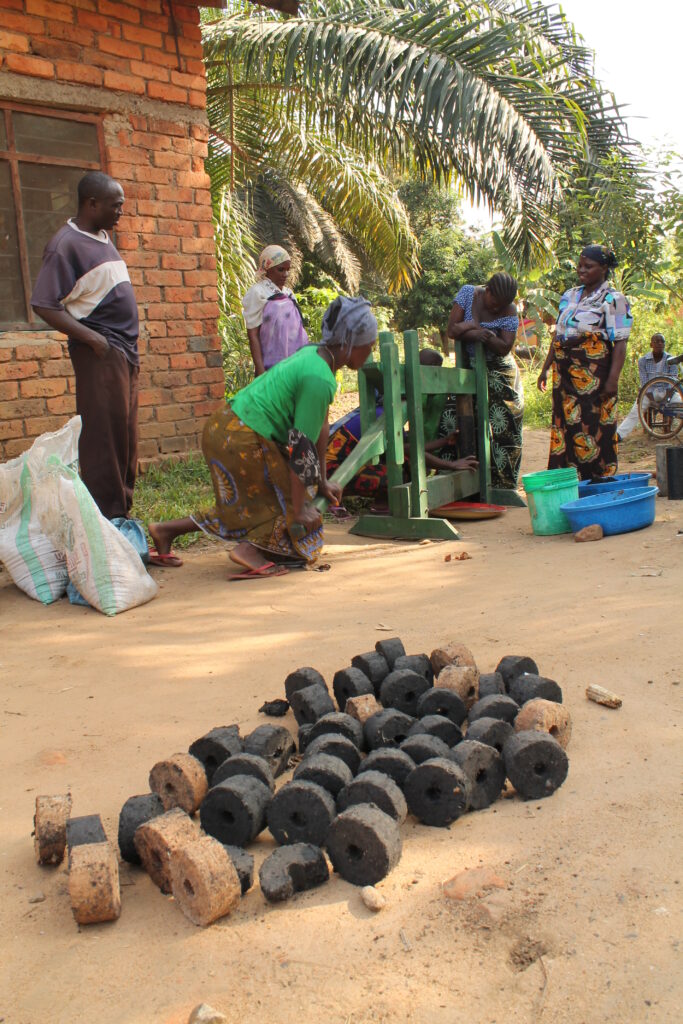
- 4,617 stoves constructed and 99 stove makers trained
- 1 alternative charcoal factory costructed
- Over 3,000 community members involved
- 138,975 seedlings produced
- 22,713 seedlings distributed to farmers during the planting season with 88% survival rate
- 31,650 seedlings sold with a revenue of 4,005,700 TZS
- 140 agroforestry farms established
- 214 Farmers trained
- € 3,800 raised from eco-tourism
- 10,487 km for primate census
- 44,205 camera trap images collected
- 7 scientific publications
- 111 camera trap sites
- 2,848 arthropod trapping days
- 4,306 camera trapping days
- 1,386 man/days for fieldwork effort
- 386 research facility visitors of which 298 Tanzanian researchers
- 35 workshops conducted
- 303 trainings delivered
ABOUT US
We envision a wealthy, healthy and well protected environment supporting a sustainable society and economy.
The organization’s mission is to foster harmonious coexistence between people and nature.
MACCO traces its roots to the early 2000s, when growing international interest in the biodiversity of the Udzungwa Mountains and TANAPA’s vision to establish ecological monitoring centres led MUSE to launch a long-term research initiative. This effort culminated in the inauguration of the Udzungwa Ecological Monitoring Centre (UEMC) in 2006, which expanded primate monitoring programmes initiated in the 1990s. Over time, UEMC developed into a hub for research, education, and conservation, with milestones including the construction of the research hostel and the first international collaborations and summer schools from 2010 onward. In parallel, community-based conservation efforts grew with the founding of Associazione Mazingira ODV (AMODV) in Italy in 2010, which launched multi-year community and livelihood programmes, eco-tourism initiatives, and agroforestry activities across the Kilombero Valley. These efforts led to the establishment of Associazione Mazingira NGO (AMNGO) as a local Tanzanian organization in 2019, strengthening the integration of conservation, research, and community development. Following a major scale-up and the incorporation of UEMC in 2022, the organization consolidated its research and community-based components into a unified structure. In 2024 AMNGO was assigned to implement ULS activities under 3 Strategic Objectives. One year later, in 2025, AMNGO was officially renamed Mazingira Alliance for Community and Conservation (MACCO), marking a new phase as a fully integrated organization committed to long-term conservation, research, and sustainable development in the Udzungwa–Kilombero landscape
We believe conservation must be:
- Community-driven
- Science-based
- Inclusive and participatory
- Focused on real local benefits
- Proactive in reducing human–wildlife conflict
MACCO’s strength lies in its dedicated and diverse team working together to deliver impactful conservation and community initiatives. The organization employed 28 core staff members, supported by numerous volunteers and interns, with the total workforce occasionally exceeding 50 through the engagement of short-term labourers. Our structure is built around four core areas: Human Resources & Administration, Finance, Research & Monitoring, and Community & Livelihoods—each contributing to an integrated and collaborative approach.
Our HR and Finance teams provide essential support across the organization, ensuring strong leadership, effective operations, transparency, and accountability.
The Research & Monitoring team drives biodiversity conservation through scientific studies, ecological monitoring, and training opportunities for students and conservation professionals.
The Community & Livelihoods team works closely with local communities to promote sustainable solutions, including environmental education, agroforestry, ecotourism, and energy-efficient technologies that support both incomes and ecosystems.
We invest in continuous learning and professional development, while fostering an inclusive, respectful workplace grounded in equity and collaboration. With a growing team and strengthened capacity, MACCO is well positioned to expand its impact and respond to emerging conservation and development challenges.
- Integrity
- Collaboration
- Inclusivity
- Accountability
- Long-term sustainability
MACCO Organizational chart
Partners & Donors
We collaborate with international institutions, research organizations, NGOs, and local authorities to deliver impactful conservation and development programs.