
Research, Monitoring & Facilities
We carry out long-term monitoring to guide effective conservation grounded in science.
Invertebrate Monitoring: Standardized surveys (COBRA protocol) tracking arthropods/spiders as early warning indicators of high-altitude ecosystem health.
Primate Monitoring: Over 20 years of continuous surveys across 4 permanent transects, tracking endangered endemics like the Udzungwa red colobus and Sanje mangabey.
Camera Trapping: Ongoing landscape mammal tracking (operating since 2009 as part of the TEAM Network).
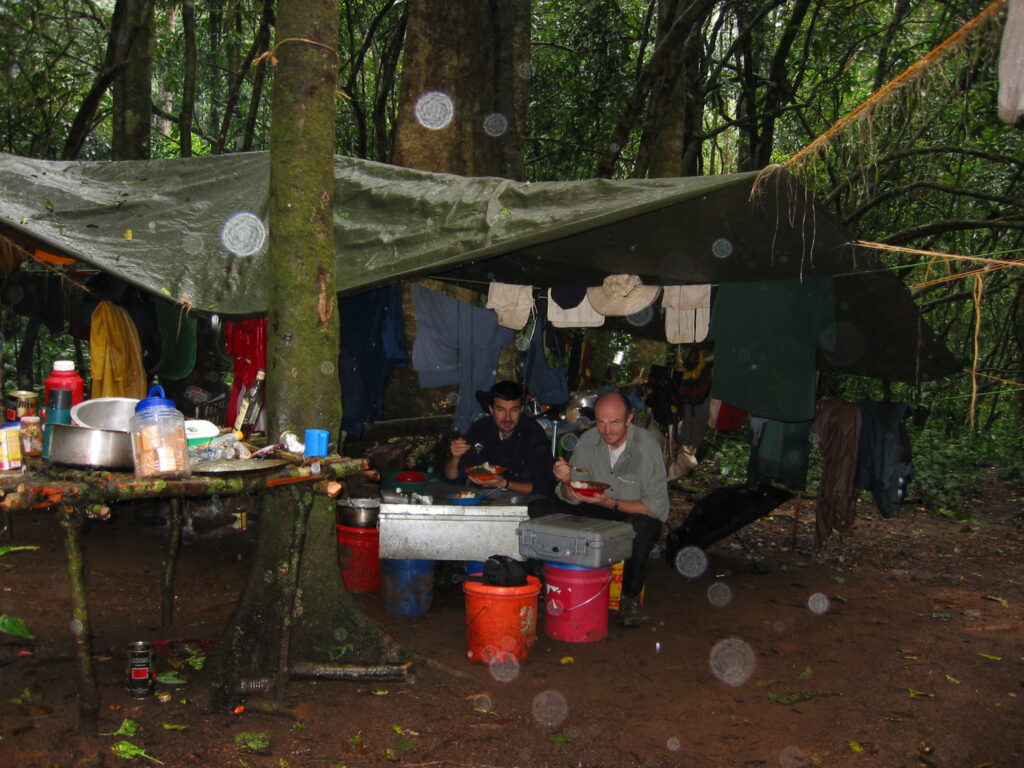
Research Facilities (UEMC & Laboratory): Field station featuring a 150m² seminar room, 3 researchers’ houses, a 24-person dormitory, dining hall, and a specialized biological processing laboratory inaugurated in 2025.
Empowerment & Education: Hosting international Summer Schools (University of Copenhagen), ranger trainings with STEP, and capacity building for village committees.
Community & Livelihoods
Lasting conservation depends on people. We work hand in hand with communities through:
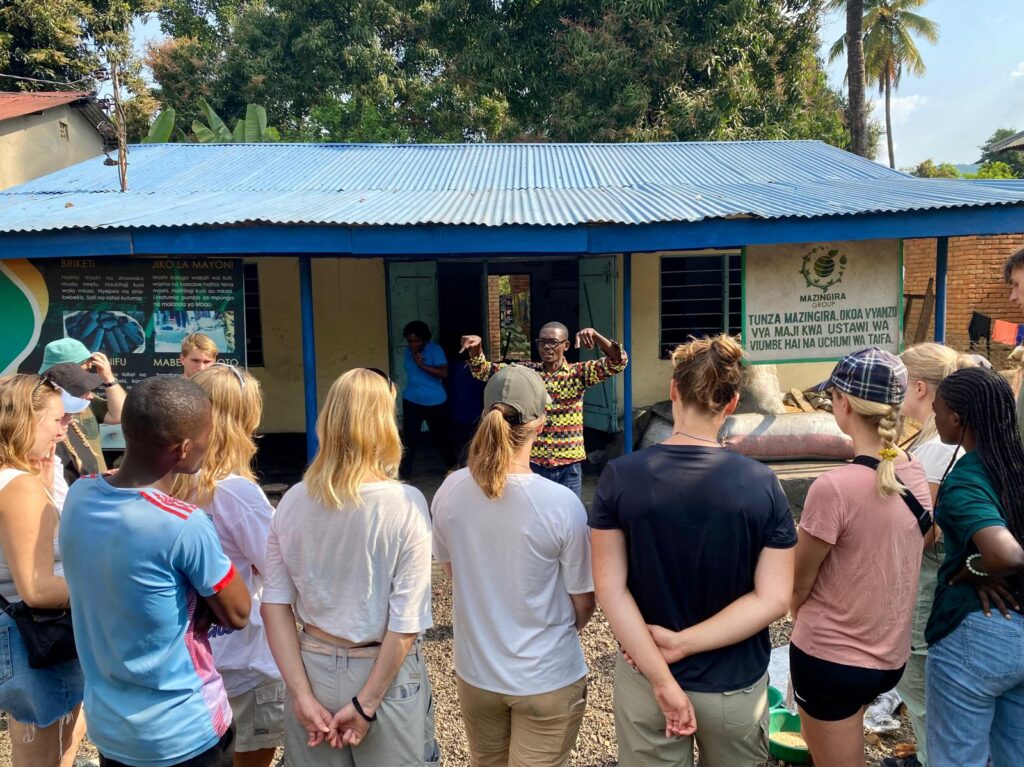
Environmental Education: School programmes across 32 classrooms in 18 schools, establishing student environmental clubs, tree planting, and mud stove building.
Agroforestry & Greening: Promoting tree nurseries, indigenous species, climate-smart farming, and sustainable cocoa production (Sustain Eco project & Rete Clima support).
Sustainable Energy-Efficient Technologies (SEET): Construction of household/school improved mud stoves, stove-maker training, and briquette-based alternative charcoal production in Ching’anda and Mang’ula.
Income-Generating Activities (I.G.A.): Supporting seedling sales, stingless beekeeping (meliponiculture), SEET construction and sale and other I.G.A.
Eco-Tourism: Hosting ethical eco-tours (partnered with Viaggi e Miraggi) that fund community development.